Yoga Act Zip Purse
A Cheerful, Approachable Design That Fits Right Into Your Craft Fair Booth
As an embroidery designer who’s prepped over 200 craft fair tables—and shipped thousands of finished products to Etsy sellers and boutique makers—I’ll say it plainly: Yoga Act Zip Purse lands with warm, confident charm. It’s not bold or edgy—it’s cute, modern, and gently playful, with just enough personality to catch a slow-strolling shopper’s eye without shouting. The title alone hints at movement, mindfulness, and practicality—three things handmade buyers actively seek at markets and online. It doesn’t lean rustic, farmhouse, or minimalist. Instead, it feels like a friendly nod to wellness culture—light, inclusive, and quietly stylish.
Where It Shines: From Pouches to Booth-Stopper Samples
In my booth setup—featuring embroidered tote bags, tea towel sets, aprons, pillow covers, and small fabric pouches—the Yoga Act Zip Purse stands out strongest as a finished craft fair product, not just a design asset. Its natural home is a compact zip pocket made from cotton twill, linen blend, or medium-weight canvas. When stitched cleanly, it becomes a giftable, tactile item that customers can hold, unzip, and instantly understand. That physical “aha” moment is gold at a market.
It also adapts beautifully to keyrings and lanyards—two high-margin, low-footprint items that sell well near checkout areas or as add-ons to larger purchases. As a patch? Yes—but only if scaled up slightly (more on sizing below). As an apron embroidery or tea towel design? Not ideal. The composition reads best at 3–4 inches tall; stretched across a wide apron chest panel or faded into a textured kitchen towel, the yoga girl loses her expressive clarity.
For tote bag design or pillow cover placement? Use it as a subtle accent—not a focal motif. A single Yoga Act Zip Purse embroidered on the front corner of a neutral canvas tote adds handmade charm without overwhelming. On caps? Avoid it. The curved surface and dense stitch zones make clean execution risky unless you’re using a specialized cap hoop and ultra-fine stabilizer.
Production Realities: What Makes This Design Sell—And What Requires Caution
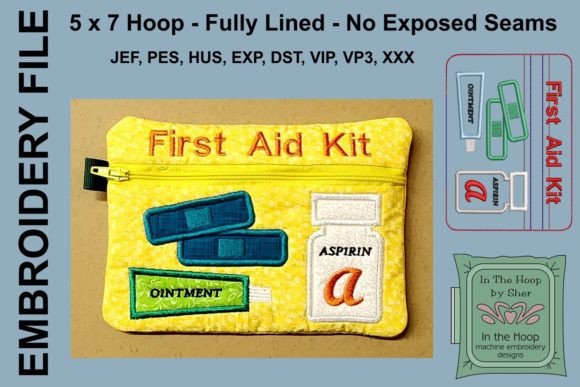
The Yoga Act Zip Purse is a smart in-the-hoop digital embroidery project because it guides the maker through construction—not just decoration. That means less guesswork, fewer misaligned zippers, and more consistent finished products. For small shop owners batching 15–30 units before a fair, that reliability matters. But don’t skip the test run: always embroider Yoga Act Zip Purse on scrap fabric first. Check thread contrast—especially skin tones or light lavender against off-white or oatmeal fabrics. Review spacing around the zipper tape; tight margins can snag or pucker.
Stitch density is moderate—not overly heavy, but not sparse either. That makes it forgiving on general fabrics, yet still rich enough to read clearly in person. That said, avoid thick, napped fabrics (like heavy terry or bouclé) and highly textured tea towels. Dense fill areas may flatten or distort. And on dark fabric? Confirm your thread colors pop. A soft peach skin tone vanishes on charcoal unless paired with crisp white outlines or strategic satin stitch highlights.
Visual Impact & Buyer Engagement: Why It Converts
At a craft fair, attention spans are short and tables are crowded. Yoga Act Zip Purse wins because it’s immediately legible: one glance tells shoppers it’s handmade, functional, and themed. No decoding needed. That clarity boosts booth display strength—especially when grouped with matching keyrings or displayed unzipped to show lining fabric and tidy interior stitching.
It also supports brand consistency for makers who focus on mindful living, self-care, or gentle lifestyle branding. Pair it with neutral packaging, handwritten tags, and soft-toned display linens, and it elevates perceived value without needing premium pricing. Customers see intention—not just stitching.
Smart Next Steps for Embroidery Business Owners & Etsy Sellers
If you’re evaluating Yoga Act Zip Purse for commercial embroidery or digital resale, here’s your checklist:
- Confirm commercial licensing before selling finished products or reselling the embroidery file—this isn’t implied by “digital embroidery project.”
- Test hoop size compatibility—in-the-hoop zip pockets often require a minimum 5x7 hoop; verify before cutting fabric.
- Use cutaway or tear-away + topping stabilizer for clean lines on lightweight fabrics; skip fusible web unless your machine handles it reliably.
- Create at least one real mockup—not just a printable mockup. See how the zipper moves, how the shape holds, how light hits the satin stitches.
- Compare fabric colors side-by-side—a blush-pink yoga mat graphic reads differently on ivory vs. heather grey. Your Etsy listing photos depend on this.
- Photograph flat and in-use: show it zipped, unzipped, held in hand, and styled with a yoga mat or water bottle. That’s how small shop products earn clicks and carts.
Final Thought: A Thoughtful, Market-Ready Accessory Design
Yoga Act Zip Purse isn’t flashy—but it’s thoughtful. It respects the maker’s time, honors the buyer’s desire for meaning and utility, and fits seamlessly into the Accessories category without chasing trends. For embroidery business owners building a catalog of repeatable, emotionally resonant designs, this is the kind of handmade product that builds trust, encourages bundles, and earns return visits. Just remember: its quiet appeal depends on clean execution. Test, tweak, then trust it to do what it does best—invite calm, connection, and a little joyful pause, one zip at a time.