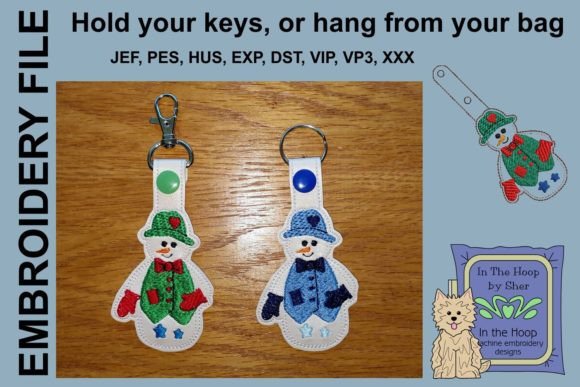
Jolly Snowman Key Fob
A Cheerful, Compact Design That Works—If You Use It Right
As someone who’s stitched hundreds of holiday designs for clients, craft fairs, and Etsy shops, I opened the Jolly Snowman Key Fob expecting charm—and got it. But more importantly, I asked: *Does this hold up in real-world embroidery?* Not just on screen, but on a textured sweatshirt hem, a baby onesie cuff, or a linen tea towel that’ll go through dozens of washes? The answer is yes—but with thoughtful placement and prep.
First Impression: Joy Without Clutter
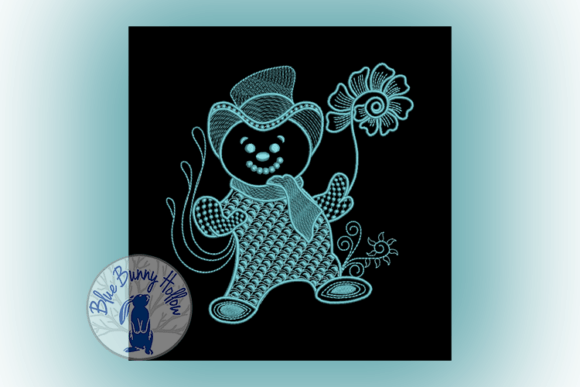
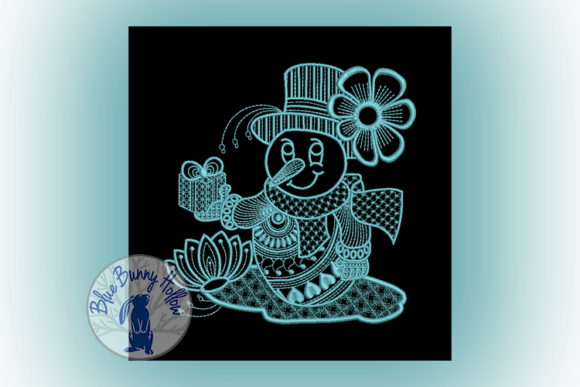
The Jolly Snowman Key Fob lands as warm, approachable, and intentionally compact. It’s not overloaded with snowflakes or glittery extras. Instead, it leans into clean silhouette work—a round body, twig arms, a jaunty carrot nose, and a simple scarf loop. That restraint makes it feel handmade, not mass-produced. It reads well at 2.5–3 inches wide, which means it scales nicely from key fobs (obviously) to embroidered patches, apron pockets, or even the corner of a holiday kitchen towel.
I tested it last week on a heavyweight cotton tote for a local boutique’s holiday launch. Stitched in soft matte thread—navy for the hat, cream for the snowman, rust for the scarf—it looked polished but never stiff. Customers didn’t just notice it—they smiled. That emotional resonance matters, especially for small shop products where handmade presentation builds trust.
Where It Shines (and Where It Needs Guardrails)
The Jolly Snowman Key Fob thrives on stable, medium-weight fabrics: canvas tote bags, brushed cotton sweatshirts, linen pillow covers, and structured aprons. Its stitch density feels balanced—not so dense it puckers thin cotton, not so sparse it loses definition on fleece. On a baby onesie, I used tear-away stabilizer and reduced top tension slightly; the result was soft, flexible, and safe for sensitive skin.
But here’s where attention matters:
- Curved surfaces like caps or knit beanies need careful hooping—the snowman’s round shape can distort if stretched unevenly. Test on scrap first.
- Dark or textured fabrics (like charcoal terry cloth or bouclé) may mute subtle satin-stitch details. I recommend reinforcing the scarf and nose with a second pass or switching to a higher-contrast thread.
- Stretchy knits demand cutaway stabilizer underneath and possibly basting stitches around the hoop edge—this design has defined curves that won’t forgive shifting fabric.
- Tiny lettering or fine lines? There isn’t any—so no worries about legibility loss. That’s a quiet strength. It’s built for clarity, not complexity.
Real Projects, Real Results
Last month, I added the Jolly Snowman Key Fob to a set of personalized holiday tea towels for an Etsy seller. We placed it low on the right corner—just above the hem—so it stayed visible when hung but didn’t compete with the main monogram. Buyers loved the “small joy” detail: it made each towel feel curated, not generic. That’s the value of a well-chosen machine embroidery design: it elevates the whole finished product.
For apparel decorators, it’s ideal as a secondary motif—think left chest on a crewneck, or centered on a sweater pocket. It doesn’t dominate, but it adds warmth and seasonality without screaming “Christmas.” That subtlety helps it sell beyond December, too—especially paired with neutral thread palettes.
We also stitched it onto denim patch blanks for a craft fair. Because the design avoids tight corners and ultra-fine fill areas, it cleaned up beautifully after cutting and iron-on backing. No fraying, no skipped stitches—even at 80% speed on older commercial machines.
Design Integrity Meets Commercial Sense
If you’re an Etsy seller, craft business owner, or digital embroidery file reseller, ask yourself two things before listing or stitching the Jolly Snowman Key Fob:
- Does your license allow resale of finished items? This isn’t just legal housekeeping—it affects how confidently you can market it as part of your brand. If you’re bundling it into a holiday kit, confirm commercial use terms upfront.
- Does it support your visual consistency? Its friendly, slightly retro winter vibe pairs well with muted palettes and natural fibers—less so with neon synthetics or ultra-minimalist branding. Match the mood, not just the season.
I also ran quick black-and-white mockups before finalizing a client’s batch of embroidered baby blankets. Why? To check contrast balance. The snowman held up cleanly—even without color, its shape and proportions communicated cheer. That’s a sign of strong design assets: it works across mediums, not just thread.
Practical Notes Every Embroiderer Should Run Through
Before you load the Jolly Snowman Key Fob into your machine:
- Test on scrap fabric matching your final project’s weight and stretch.
- Check thread color contrast—especially on dark backgrounds. A light snowman needs enough tonal separation from the base fabric to read clearly.
- Review stitch density visually in your software. Look for any unusually tight fill areas near the scarf knot or base—those can cause stiffness or thread breaks.
- Confirm hoop size compatibility. Its proportions suggest a 4x4” minimum, but verify before hooping expensive fabric.
- Inspect small details at 200% zoom: the carrot tip, button spacing, and scarf ends should all be cleanly digitized—not jagged or over-traced.
- Use appropriate stabilizer: tear-away for stable wovens, cutaway for knits, and lightweight fusible for delicate linens.
This isn’t just another holiday embroidery download. It’s a thoughtful, execution-ready embroidery file that respects both the craft and the customer. Whether you’re stitching a single personalized gift or producing 50 custom sweatshirts for a local shop, the Jolly Snowman Key Fob delivers consistent charm—without demanding perfection from your machine or your materials.
And that, honestly? Is rare.